Monday, 21 January 2013

Bahrain - Old Photographs (Part II)

Continuing from where I left off...

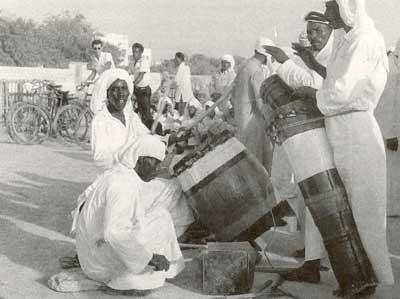
Liwa dance (a Bahraini music thought to originate from Africa) 
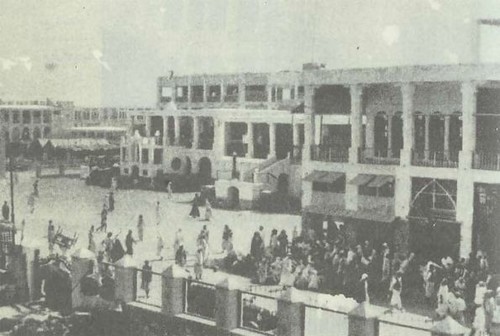
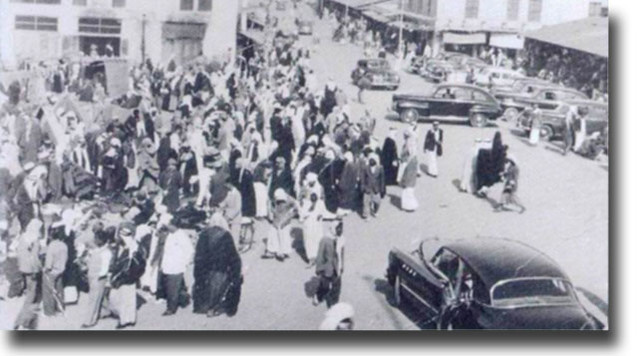
Shaikh Abdullah street in central Manama, circa 1950.
A dhow (traditional ship), used mainly for pearling
The Manama-Muharraq swing bridge, circa 1950s
A nurse weights two new-borns, in Awali hospital. Date unknown
Adhari spring, date unknown. Likely early 1950s.
The first official medical clinic in 1925.
Gulf Hotel, in the early 1970s. It's no longer beach-front property due to land reclamation.
Jashan (now known as Jashanmal)'s department store in Manama. Date unknown.
Delivery of the first cars in Bahrain (or so it is claimed), in 1919.
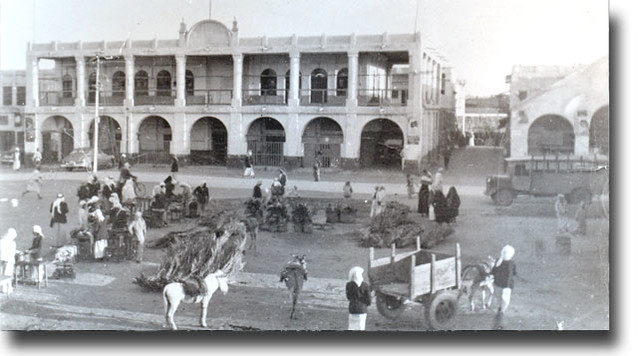
The old Blacksmiths market of Manama... and some youth flexing for the camera!
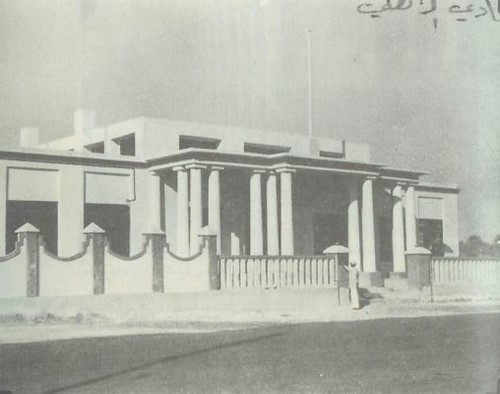
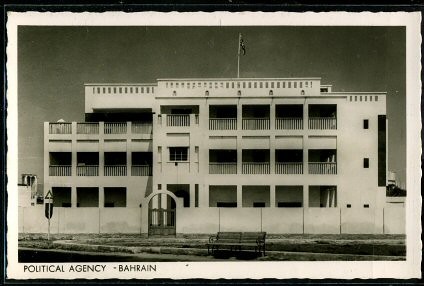
The old Political Agency of Britain, circa 1920.
Yateem Petrol Station in Manama, date unknown
The office of the British Overseas Airways Corporation, in Ras Ruman.
The iconic windtower (known locally as badgeer) of the Al Awadhiya houses in Manama
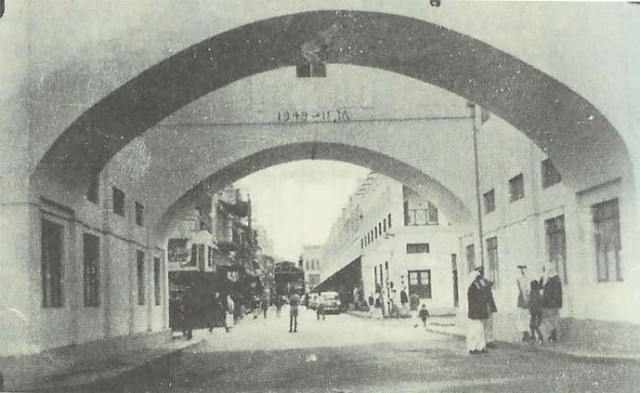
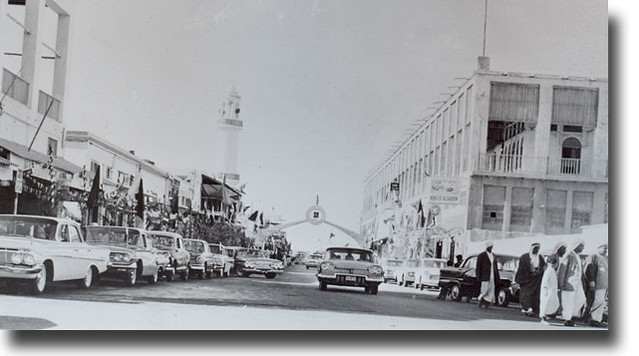
Bab al Bahrain street, Manama.
BAPCO (Bahrain Petroleum Company)'s buses, used to transport workers from Manama/Muharraq to Awali. Circa 1950s
(The vast majority of these photographs were taken prior to the 1960s, by which time their copyright expired and is now in the public domain, as stated in Legislative Decree No. 10 of June 7, 1993 in respect of Copyright Law)

Thursday, 10 January 2013

Bahrain - Old Photographs (Part I)

Below is a collection of stunning old photographs of Bahrain taken in the 20th century. I'll try to input as many captions as I can. Enjoy!

(The vast majority of these photographs were taken prior to the 1960s, by which time their copyright expired and is now in the public domain, as stated in Legislative Decree No. 10 of June 7, 1993 in respect of Copyright Law)


Bab al Bahrain
RAF Muharraq airbase, in 1949.
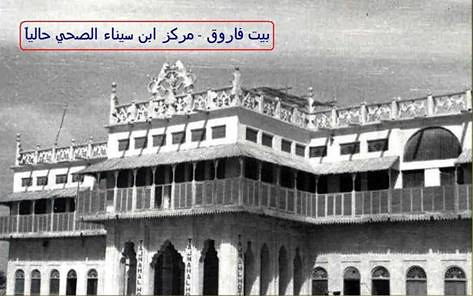
Farooq house - Now Ibn Sina health centre.
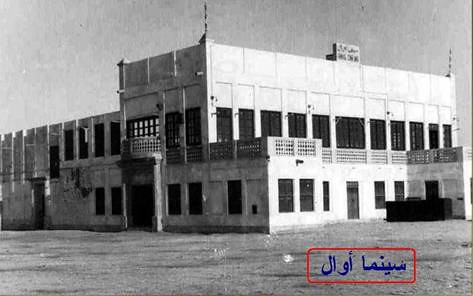
Awal Cinema, circa 1950s.
House of the poet Abdul Rahman Rafea, in the Fadhel neighborhood of Manama
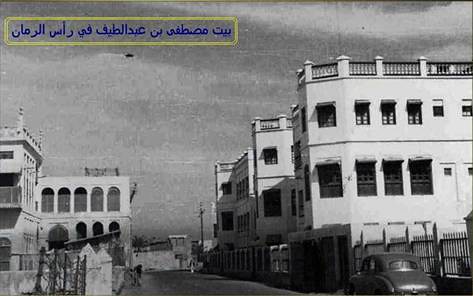
House of Mustafa bin Abdullatif in Ras Ruman, close to Manama.
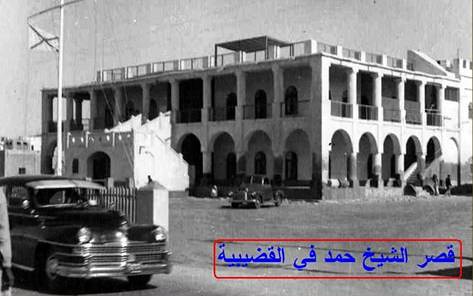
Shaikh Hamad's palace in Gudaibiya, Manama.
The Manama Municipality, 1930-1950s.
Entrance to Manama Souq, 1949.
Manama's northern sea coast

Ardha Dance in front of Sheikh Hamad Palace

Ardha Dance in front of Riffa Palace

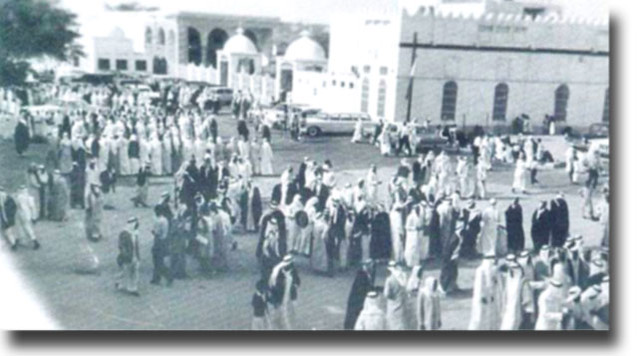
Al Ahli Club in the 1960s.
Customs Building and the main seaport in Manama
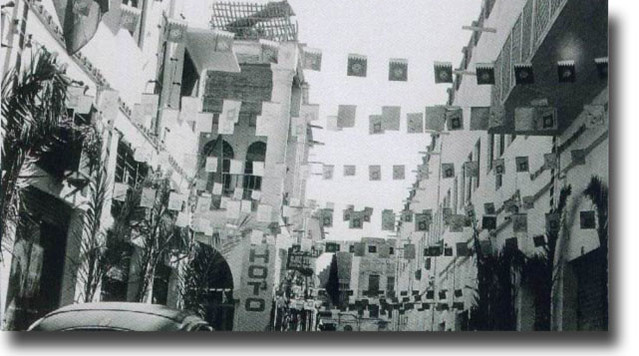
Government street, Manama.
Bab al Bahrain road
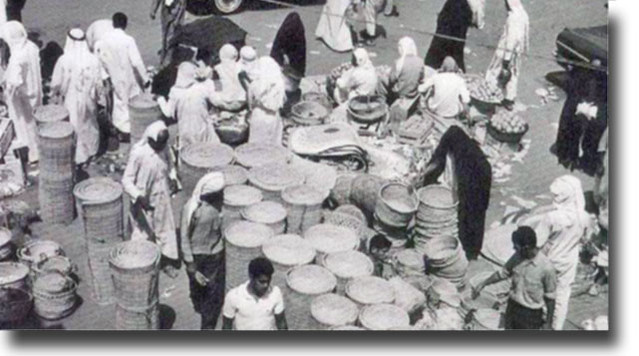
Wednesday Market in Manama (happened every Wednesday, hence the name)
Vegetable Market in Manama 1930s-ish
Opening of the Al Tajer library in Hoora, in 1920.
Muharraq in the 1930s.
British Political Agency in Manama, 1900ish
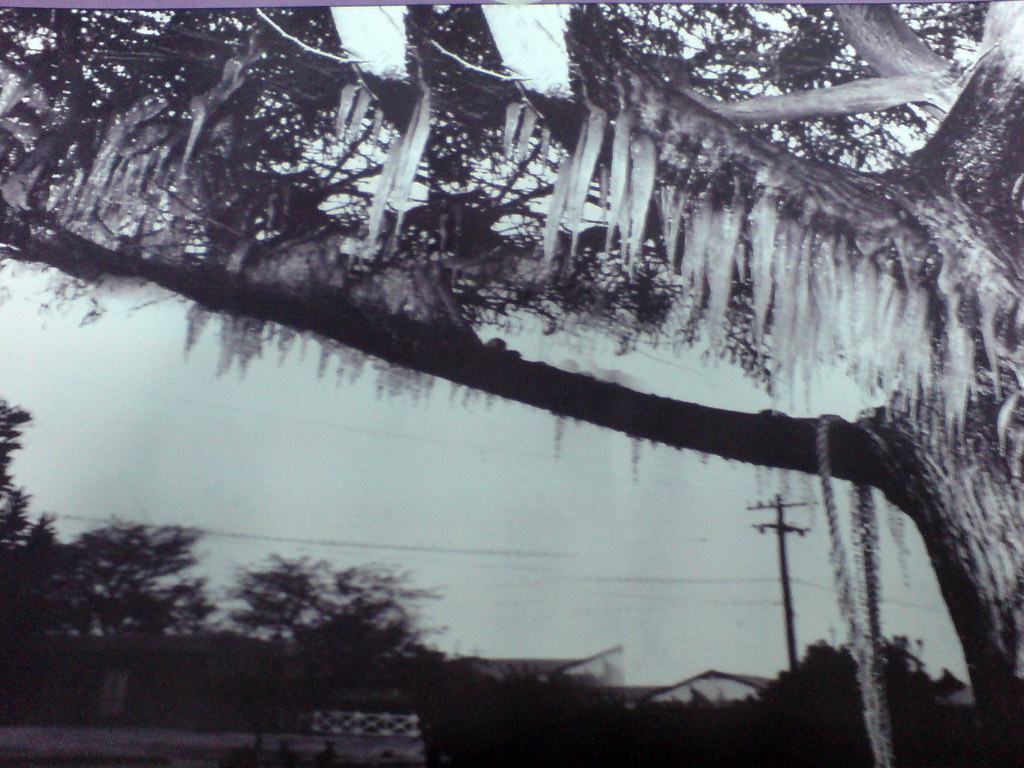
Freezing conditions in Awali, Bahrain on 20 of January 1964
Market
Liwa dance in Bahrain, a traditional Bahrain music that originated from Africa
Al Fadhel mosque in Fadhel neighbourhood of Manama
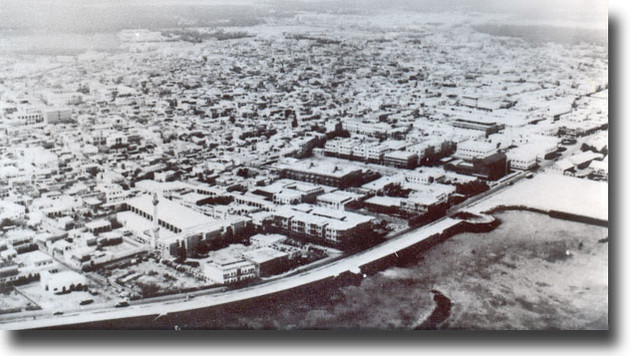
Aerial view of Manama, circa 1950s.
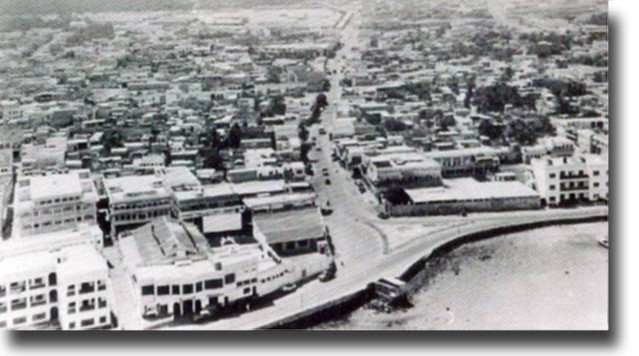
Another aerial view of Manama
Old customs office, circa 1940s.
Manama souq, circa 1930s.

Wednesday, 2 January 2013

The Bombing of Gulf Air Flight 771

Gulf Air Flight 771 was a regularly scheduled flight from Karachi, Pakistan to Abu Dhabi, United Arab Emirates. On 23 September 1983, while the Boeing 737-2P6 was on approach to Abu Dhabi International Airport, the airplane "suddenly lowered its altitude" abruptly and crashed 30 miles north-east of the airport, near Mina Jebel Ali in the emirate of Abu Dhabi. All 110 people on board, including 5 crew members, died.
The plane crashed near Mina Jebel Ali
 In the aftermath of the incident, an anonymous Gulf Air official stated that "the airliner crashed due to an accident in midair" and declined to elaborate. Karachi's airport control tower was said to have received a distress call from the ill-fated plane, minutes prior to its crash. [1]

What happened?

An investigation was carried out by the American National Transportation Safety Board, and they released a 400-page report on their findings, which was not immediately published in the Gulf. The report was revealed in September 1987 by British politician Sir Dudley Smith, under pressure from the parents of British stewardess Lyn Farthing who perished in the crash. Others among the crew on board included British stewardess Sally Anne of Peterborough and Bahraini steward Hashim Sayed Abdullah.

A Gulf Air Boeing 737-2P6
The report included last moments in the cockpit, including a description of Omani captain Saoud Al Kindy praying as the plane nose-dived into the desert. Also on the flight deck was Bahraini co-pilot was Khazal Al Qadi. The report mentioned that everything on board the flight was perfectly normal and voice transcripts showed the crew chatting among themselves. One asked the other if he was on duty the next day, to which he replied "No, I've got a day off tomorrow". That was followed by a sudden interruption and the recording showed the pilots making a frantic attempt to control the plane.

The report indicated a bomb in the baggage hold as the primary cause of the accident, due to the following factors:
  1. A passenger who checked in baggage at Karachi but never boarded the plane.
  2. The nature of injuries to passengers who were seated above the baggage hold.
  3. A sudden interruption to an otherwise normally operating flight.     
  4. Data obtained from the aircraft's flight data recorder.
Who bombed Gulf Air Flight 771?

Evidence points to Abu Nidal, a radical Palestinian extremist and head of the militant Palestinian splinter group also known as the Abu Nidal organization.

Casualties:

105 passengers and 5 crew members were on the airplane. All 110 died. 96 Pakistanis (most of whom were returning from spending Eid holidays in their native Pakistan), 7 Britons, One American and one Iranian.

Gulf Daily News' frontpage on after the crash


The Deforestation of Nabih Saleh in Bahrain - in Maps!

 This post is an example of the invaluable information and data provided by the groundbreaking people at mapBH . For those unaware, mapBH is...