Showing posts with label European History. Show all posts

Thursday, 16 January 2020

History of Medicine - Jean-Martin Charcot

Charcot

Medical students and doctors worldwide undoubtedly recognise the name Charcot in one form or another. Undoubtedly the father of modern neurology alongside his mentor Duchenne, Jean-Martin Charcot was a French neurologist and anatomist who has 15 medical eponyms towards his name. His work on hysteria and hypnosis, although later refuted, contributed to the development of modern psychiatry. He was so influential that he was even referenced in Bram Stoker's Dracula.

Born and raised in Paris, Charcot studied medicine at the University of Paris in 1853 and became a professor in 1860. He practiced at the largest hospital in France, the Salpetriere hospital, ever since and opened Europe's first neurology clinic in 1882. As a doctor with remarkable teaching skills, his clinic attracted students across the continent; Freud, Babinksi, Bouchard, Tourette amongst others became influential figures in medical history in their own rights

The Clinician:


Though Charcot trained as a pathologist, he became a prominent clinician and recognised the importance of correlating clinical and post-mortem anatomical findings. In conjunction with Duchenne's emphasis on clinical examinations, Charcot promoted a systematic neurological history & physical examination to his students. His unique teaching technique forms the basis of the modern-day bedside teaching; it included interviewing patients diagnosed with the same condition during case presentation, imitating neurological symptoms of the patients, and drawing pictures illustrating the main clinical findings of a disease.

Painting by Andre Brouillet of a clinical lesson on hysteria by Charcot (standing) with the vanishing woman Marie Blanche. The assistant holding Blanche is Joseph Babinski the central figure, sitting in front of the professor is Georges Gilles de la Tourette

Neurology:


Charcot described and named Multiple Sclerosis (MS) for the first time, correlating clinical features with postmortem findings of his patients' brains. Although prior descriptions of MS date back to the 14th century and the pathognomonic periventricular plaques were described by others before him, the clinical correlation was not established. He was the first to diagnose MS in a living patient; he proposed a triad of symptoms (as medical students would know) of nystagmus, intention tremor, and scanning speech.

Charcot demonstrated cortical motor centres in humans, delineated the brain's vascular supply and , with his intern Charles Bourchard, described miliary aneurysms (Charcot-Bouchard aneurysms). Amyotrophic lateral sclerosis (or Motor Neuron Disease), which he also described, is still referred to as Charcot's disease in many parts of the world. He noted that in infantile paralysis the spinal lesions were limited to the anterior horns of the grey matter. With Marie he described the peroneal form of muscular atrophy, later called Charcot-Marie-Tooth disease.

By studying a complication of syphilis called tabes dorsalis that led to a loss of sensation in both legs,  Charcot hypothesised that absent sensation led to abnormal weight-bearing while walking, eventually cause joint deformations and bony destructions. Although today it is predominantly associated with diabetes, a deformed joint due to impaired sensation is still called a Charcot joint (neuropathic joint).

He had clear views on the differentiation of hysteria from epilepsy, neurosis from psychoses, and multiple sclerosis from paralyses agitans (the old name for Parkinson's disease, literally meaning Shaking Palsy). Charcot advocated the renaming of the disease to Parkinson's disease (la maladie de Parkinson) in honour of James Parkinson, the first man to describe the disease decades prior.

Charcot's Trainees:


Medical students and doctors would likely recognise a few familiar names:
  • Sigmund Freud
  • Joseph Babinski
  • Charles-Joseph Bouchard - his intern and perhaps the most dramatic protégé. After Bouchard attained professorship at the University of Paris, his relationship with his mentor Charcot gradually deteriorated. Their strong personalities, their ambition to have schools of their own, and their competition to become the most influential man in the medical school resulted in antagonism between them. The most tragic consequence of this antagonism took place in 1892 when Bouchard presided over the competitive examinations for agrégation, in which Joseph Babinski, one of Charcot's youngest pupils, was a candidate. Charcot wanted his pupil to be nominated but Bouchard eliminated him in order to nominate his own pupils. The nominations were appealed but finally Bouchard's decision was upheld. Babinski did not retake the examination and never became a professor at the medical school.
  • Pierre Janet
  • William James
  • Pierre Marie
  • Albert Londe
  • Georges Gilles de la Tourette - Charcot bestowed the eponym for Tourette syndrome in his honour. 
  • Alfred Binet
  • Albert Pitres amongst others.

Proudly borrowed from Wikipedia


Further Reading:

For the definitive biography, I recommend Christopher Goetz's in-depth 1995 biography of Charcot (ISBN 978-0-19-507643-1). It is a scholarly masterpiece and details his life in exquisite detail.

Charcot's original works and documents can also be freely accessed on the Internet Archive.

References for the article are as follows:

Tan SY, Shigaki D. Jean-Martin Charcot (1825–1893): pathologist who shaped modern neurology. Singapore Med J. 2007;48:383–384
Kumar DR, Aslinia F, Yale SH, Mazza JJ. Jean-Martin Charcot: the father of neurology. Clin Med Res. 2011;9(1):46–49. doi:10.3121/cmr.2009.883
The Science Museum: Jean-Martin Charcot (1825-93). 
HAAS L. Jean Martin Charcot (1825-93) and Jean Baptiste Charcot (1867-1936). Journal of Neurology, Neurosurgery & Psychiatry. 2001;71:524

Sunday, 12 January 2020

History of Medicine - Duchenne de Boulogne

The history of science fascinates me for many reasons. The most signficant being that it is a brazen example of the cumulative efforts of men and women separated by time & space but united through their ideas. Perhaps it is best described by the saying Isaac Newton popularised; "to be standing on the shoulders of giants". Today, I would like to briefly look at the history of neurology and see how (and why) many eponymous diseases and signs have obtained their names.
Duchenne de Boulogne

We start with Duchenne de Boulogne, a French neurologist in the 1800s, whose understanding of electrophysiology, neural pathways, diagnostic techniques have arguably made him a father of the speciality and one of the 19th century's original clinicians.

Born in Calais in 1805, he studied medicine in Paris and became a physician in 1831. At Paris, he was taught by the likes of Cruveilhier, Dupuytren, Velpeau, and Laennec (inventor of the stethoscope). He remained in Calais as a practitioner of general medicine until his wife died of puerperal fever in 1844. He returned to Paris to initiate his pioneering studies on electrical stimulation of muscles.

He pioneered the use of deep tissue biopsy using a trochar he constructed, and described an array of myopathies that bear his name today. This includes Duchenne's muscular dystrophy, Erb-Duchenne palsy amongst others.

Interestingly, he published a monographic album of the muscles involved in human expressions (see adjacent photo). This album would later serve as a resource for a young Charles Darwin in his own study on the genetics of behaviour.

Duchenne (right) and his patient, an "old toothless man, with a thin face, whose features, without being absolutely ugly, approached ordinary triviality".
Over the course of his career, he worked with Armand Trousseau, Pierre Rayer, and Jean-Martin Charcot - all of whom he described as his closest friends. Duchenne was a shy yet hard-working physician. Despite his contributions, he was never given any hospital appointments or academic chair, likely due to his modesty and speech difficulties when presenting at conferences. Most of his work would not have been published without the help of his friends, Trousseau and Charcot.

Duchenne died in Paris in 1875.

Duchenne had many students throughout his career passing down his methodology and theoretical knowledge, as was common for physicians in training the next generation. Perhaps his most famous student was Jean-Martin Charcot, the "founder of modern neurology" who has at least 15 eponymous medical diseases and signs named after him, and perhaps the bane of medical students worldwide. He will be covered in detail next time.

References:
1. Parent A. Duchenne De Boulogne: a pioneer in neurology and medical photography. Canadian journal of neurological sciences. 2005 Aug;32(3):369-77.
2. Broussolle E, Poirier J, Clarac F, Barbara JG. Figures and institutions of the neurological sciences in Paris from 1800 to 1950. Part III: neurology. Revue neurologique. 2012 Apr 1;168(4):301-20.

Saturday, 6 August 2016

Napoleon Never Started A War

Hear me out.

A heavily romanticised portrait of Napoleon Bonaparte, painted by Jacques-Louis David (1801)
Contrary to the often dramatised caricature of a mad, power-hungry & incredibly short Frenchman, Napoleon Bonaparte had never started a war during his time as emperor of the French.

In the space of 12 years (1803-1815), France was the target of seven international coalitions of European powers, determined to isolate and dismantle the French state for disrupting the status quo of European politics that had been thrown in disarray after the French revolution. All seven wars were declared upon France, not by it.

When confronted with war, Napoleon took to the offensive, that is a given. But how often in contemporary culture do we find ourselves briefly referring to Napoleon as "that crazy French guy who wanted world domination". In Franceshi & Weider's book on The Wars Against Napoleon: Debunking the Myth of the Napoleonic Wars (review), is is argued;
Napoleon had an ‘obsessive attachment to peace’, maintained his ‘intangible principle of avoiding conflicts’, never provoked a war, and never took the initiative in declaring war: even his invasion of Russia in June 1812 was a reluctant response to Tsar Alexander’s ultimatum of April 1812 which ‘in fact if not in law’ had established a state of hostilities between the two empires. - See more at: http://www.historytoday.com/ad-harvey/wars-against-napoleon#sthash.q9rB9qV7.dpuf
Napoleon had an ‘obsessive attachment to peace’, maintained his ‘intangible principle of avoiding conflicts’, never provoked a war, and never took the initiative in declaring war: even his invasion of Russia in June 1812 was a reluctant response to Tsar Alexander’s ultimatum of April 1812 which ‘in fact if not in law’ had established a state of hostilities between the two empires.
While of course his assembling of the Grande Armée (the largest standing army at the time) certainly doesn't rank well for his peacekeeping reputation nor does his unprecedented invasion of Russia, his motivation was the protection of his homeland. He often was quoted as saying "France before all else".

I'm not saying Napoleon not declaring war makes him a saint, perhaps he was egotistical (he did install himself & his own family upon several European thrones, after all). Hitler himself didn't declare a war until December 1941 (on the United States) two years into WWII. All I wish to say is to think of these casual biases. Somehow someway these biases have ingrained and disseminated themselves in popular culture; perhaps it is the result of clever propaganda, a case of the victors writing history, or simple, lazy misinformation.

Whatever the cause, the takeaway message is to HOW and WHY you think of historical figures in negative and positive views. After all, we're all bound to be biased.
Napoleon had an ‘obsessive attachment to peace’, maintained his ‘intangible principle of avoiding conflicts’, never provoked a war, and never took the initiative in declaring war: even his invasion of Russia in June 1812 was a reluctant response to Tsar Alexander’s ultimatum of April 1812 which ‘in fact if not in law’ had established a state of hostilities between the two empires. - See more at: http://www.historytoday.com/ad-harvey/wars-against-napoleon#sthash.q9rB9qV7.dpuf

Thursday, 7 April 2016

The International City of Tangier

The flag of the International City of Tangier
At first glance, Tangier (طنجة) seems like an unremarkable seaside town, a stone throw away from the strategic strait of Gibraltar, connecting the Mediterranean to the Atlantic ocean. But this odd town has a disproportionately rich history. Founded by the Carthaginians in the early 5th century BC, ruled by Romans, Vandals, (Eastern) Roman again, Arab and the Portuguese. In fact, it was part of the dowry of Princess Catherine of Portugal to the recently crowned Charles II of England, transferring the settlement to English control in 1662. The English had planned to convert the town to their main naval base in the region (akin to Gibraltar but of course, the English only controlled Gibraltar in 1713) but abandoned & destroyed the town when it was besieged by the Moroccan Sultan in 1685. In the 19th century, Tangier became a hub of international diplomacy and politics. Amongst the curious notabilities in the town's history include it being the site of the USA's first consulate, being the focus on an international confrontation between the French and the Germans, and infamous for espionage during the Cold War.

A map of the International Zone
The year is 1912; Morocco has been divided between the Spanish and the French. France wants to incorporate Tangier into its Moroccan possessions, the Spanish likewise. The British, on the other hand, wanted nothing of the sort and advocated that the city and its hinterlands be declared an international zone with no prevailing foreign power. Disagreements continued and were interrupted by the outbreak of World War 1 in 1914.

The European dispute was resolved with the signing of the Tangier Protocol in 1923, which declared the city a 373-square-kilometre demilitarised international zone, to be co-administered by an international multi-tiered legislative body representing the UK, France and Spain. The treaty was mediated by the League of Nations and the city's native population was under the 'nominal sovereignty' of the Moroccan Sultan. Portugal, Italy, Belgium, the Netherlands and the United States later joined to co-administrate the zone.

The full text of the Tangier protocol can be viewed here

For an intimate portrayal of life in the Tangier International Zone, I redirect you to this wonderful essay.
A scene in Tangier

Suffice to say that the native Moroccan population were not favourable to the foreign presence nor to the International Zone itself which they called "a plague zone infested and infected by infidels".

On 14 June 1940, the day Paris fell to the invading Germans during World War 2, the Spanish army occupied Tangier, incorporating it into its Moroccan possessions and assumed policing powers of the zone, calling it a 'wartime measure'. This drew international condemnation, particularly from the British government, worried about the Spanish entering the war on the side of the Nazis. The Spanish guaranteed rights of British subjects in the city and to not fortify the zone. In May 1944, German diplomats from the city were expelled. 
Following the end of World War 2, the Spanish withdrew from the city and the international zone was reinstated. 

The nine Western powers met in 1956 and agreed to abolish the zone and to secede it to the newly-independent Moroccan state (treaty text here). Pre-1956 Tangier had a population of 40,000 Muslims and 31,000 Europeans.

Further reading:

  • Susan Gilson Miller (2013). A History of Modern Morocco. ISBN 9781139619110, pages 88-104
  • Finlayson, Iain (1992). Tangier: City of the Dream. HarperCollins. ISBN 0-00217857-5.

Tuesday, 15 December 2015

The Polish Exodus To Iran in World War 2

In light of the horrific deaths of refugees & migrants crossing into Europe and the alarming xenophobic sentiments that are being spouted on the radio waves, I have decided to bring attention to an almost forgotten footnote in history; the Polish refugees of Iran.

A Polish woman decorates her tent, in an American Red Cross camp in Tehran, Iran. 1942
Why were the Polish in Iran?
Time for some backstory. It's September 1939 - Germany and the Soviet Union have invaded Poland and partitioned the country between the two. To say life was miserable for the Polish at this time would be an understatement. The Soviet Union interned over 320,000 Polish citizens and deported them to Siberia for work in the infamous Gulags. Another 150,000 Poles died, in gruesome massacres such as the Katyn massacre. Stalin began emptying Poland of anyone who could resist the occupation. First went military officers and their families, then the intelligentsia, and last anyone with wealth, influence or education.

Fast forward to 1941 and Nazi Germany launched a full-scale invasion of the Soviet Union (Operation Barbarossa, the largest military campaign in history). Officially on the side of the Allied powers in July 1941, Joseph Stalin signed a Polish-Russian agreement that led to the foundation of a Soviet-backed Polish army that was to be made up of Polish prisoners of war who were 'pardoned' from the Gulags. The formation of such an army would take place in British-occupied Iran.

With news of their mass release, Poles began to slowly make their way towards Iran. With the Polish government in exile unable to assist their compatriots, and the Soviets refusing to allow access to trains to facilitate their exodus, fatalities due to hunger, the Siberian cold, violence, disease and simple exhaustion were high. By August 1942, a conservative estimate suggests more than 115,000 Poles (included 40,000 civilians) fled to Iran. At most, it is thought 300,000 Poles fled.

Camp Polonia:

The soldiers who enlisted in Anders' Army (named after its commander Władysław Anders) regrouped in Bandar Pahlavi, Mashhad and eventually Ahvaz, before being transferred to British command in Mandatory Palestine.

Young Polish refugee at a camp operated by the Red Cross in Tehran, Iran. Nick Parrino, 1943
The civilians were left in the refugee camps that sprawled up around the country. Having first arrived in the port of Bandar Pahlavi (now Bander Anzali) on the northern Iranian coast, a makeshift city comprising over 2000 tents (provided by the Iranian army) was hastily erected along the shoreline of Pahlavi to accommodate the refugees. It stretched for several miles on either side of the lagoon: a vast complex of bathhouses, latrines, disinfection booths, laundries, sleeping quarters, bakeries and a hospital. Every unoccupied house in the city was requisitioned, every chair appropriated from local cinemas. Nevertheless, the facilities were still inadequate.

The Iranian and British officials who first watched the Soviet oil tankers and coal ships list into the harbour at Pahlavi on the 25th March 1942 had little idea how many people to expect or what physical state they might be in. Only a few days earlier, they had been alarmed to hear that civilians, women and children, were to be included among the evacuees, something for which they were totally unprepared.[4] The ships from Krasnovodsk were grossly overcrowded. Every available space on board was filled with passengers. Some of them were little more than walking skeletons covered in rags and lice. Holding fiercely to their precious bundles of possessions, they disembarked in their thousands at Pahlavi and kissed the soil of Persia. Many reportedly sat down on the shoreline and prayed, or wept for joy.

They had not quite escaped, however. Weakened by two years of starvation, hard labour and disease, they were suffering from a variety of conditions including exhaustion, dysentery, malaria, typhus, skin infections, chicken blindness and itching scabs. The spread of typhus in particular was deadly to such an extent that 40% were hospitalised and a large proportion later died.
Overcrowded ship crossing the Caspian Sea to Pahlavi

Gholam Abdol-Rahimi, a struggling photographer in Pahlavi, emerged from bed to witness ships disgorging disheveled refugees. Abdol-Rahimi's photographs are perhaps the most complete account of the catastrophe. But his work was never recognized or published.

Pahlavi was only a temporary shelter. Refugees were later dispersed to more prepared camps in Isfahan (Isfahan in particular being dubbed as the 'City of Polish Children'), Tehran and Ahvaz.

More than 13,000 of the arrivals in Iran were children, many orphans whose parents had died on the way. In Russia, starving mothers had pushed their children onto passing trains to Iran in hopes of saving them.

As the war dragged on, most refugees continued their journey away from the Soviet Union, reaching Pakistan, Palestine and British East Africa & South Africa, eventually to the United Kingdom and the United States.

The Polish cemetery in Bander Anzali (Pahlavi)
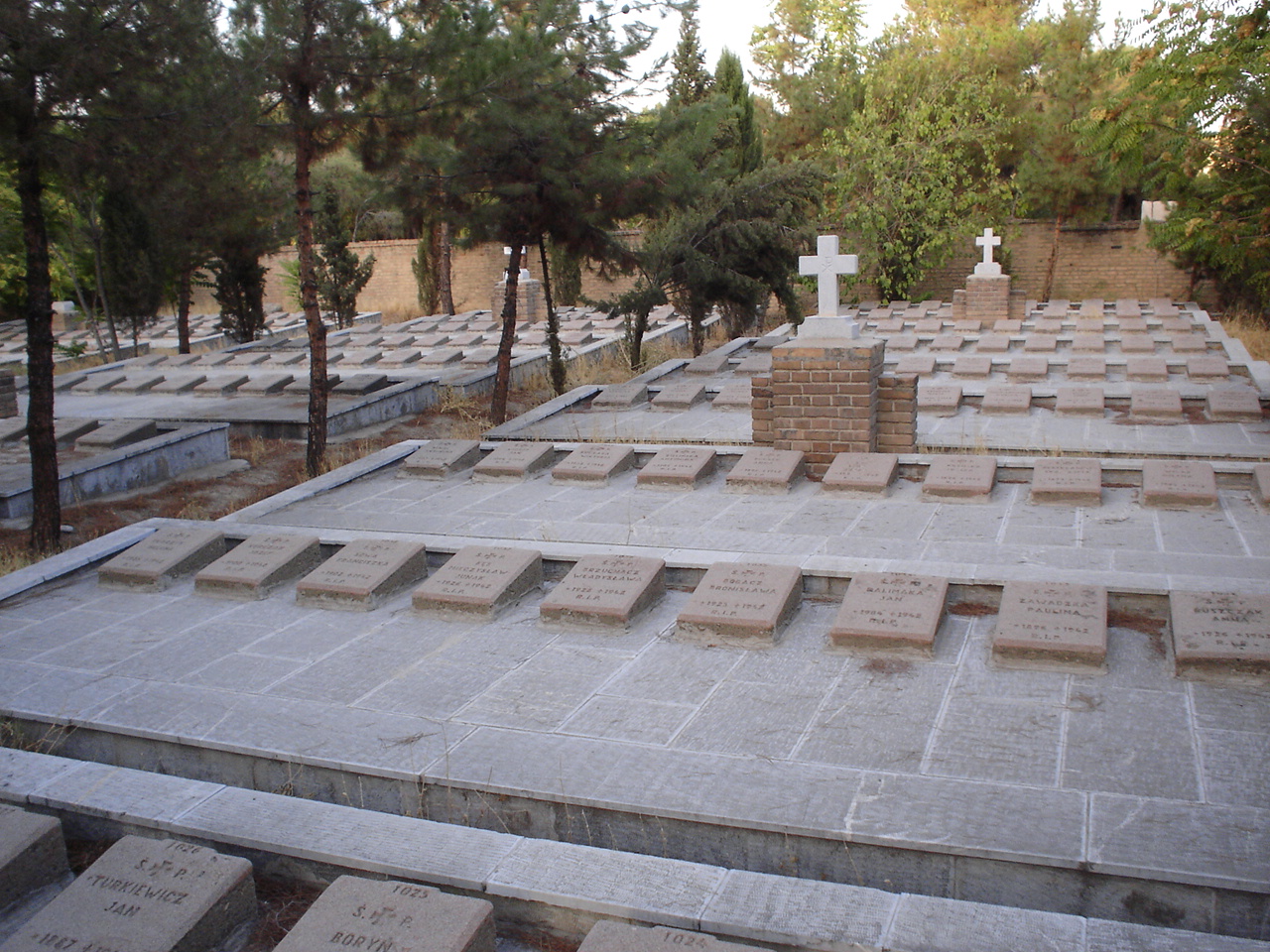
In all, 2,806 refugees died within a few months of arriving and were buried in cemeteries around Iran. Their alien names and the dates on their tombstones chronicle a calamity, even to a visitor without knowledge of their history. Etched on row after row of identical tombstones is a single year of death: 1942.
Polish military cemetery, Tehran.
Further reading:
Forgotten Polish Exodus to Persia - Washington Post
The Exile Mission: The Polish Political Diaspora and Polish Americans, 1939-1956. Anna D. Jaroszyńska-Kirchmann. page 26-27 
The Polish Deportees of World War II: Recollections of Removal to the Soviet Union and Dispersal Throughout the World. Tadeusz Piotrowski. page 10-12.

Saturday, 28 February 2015

The Strangest Battle of the Second World War

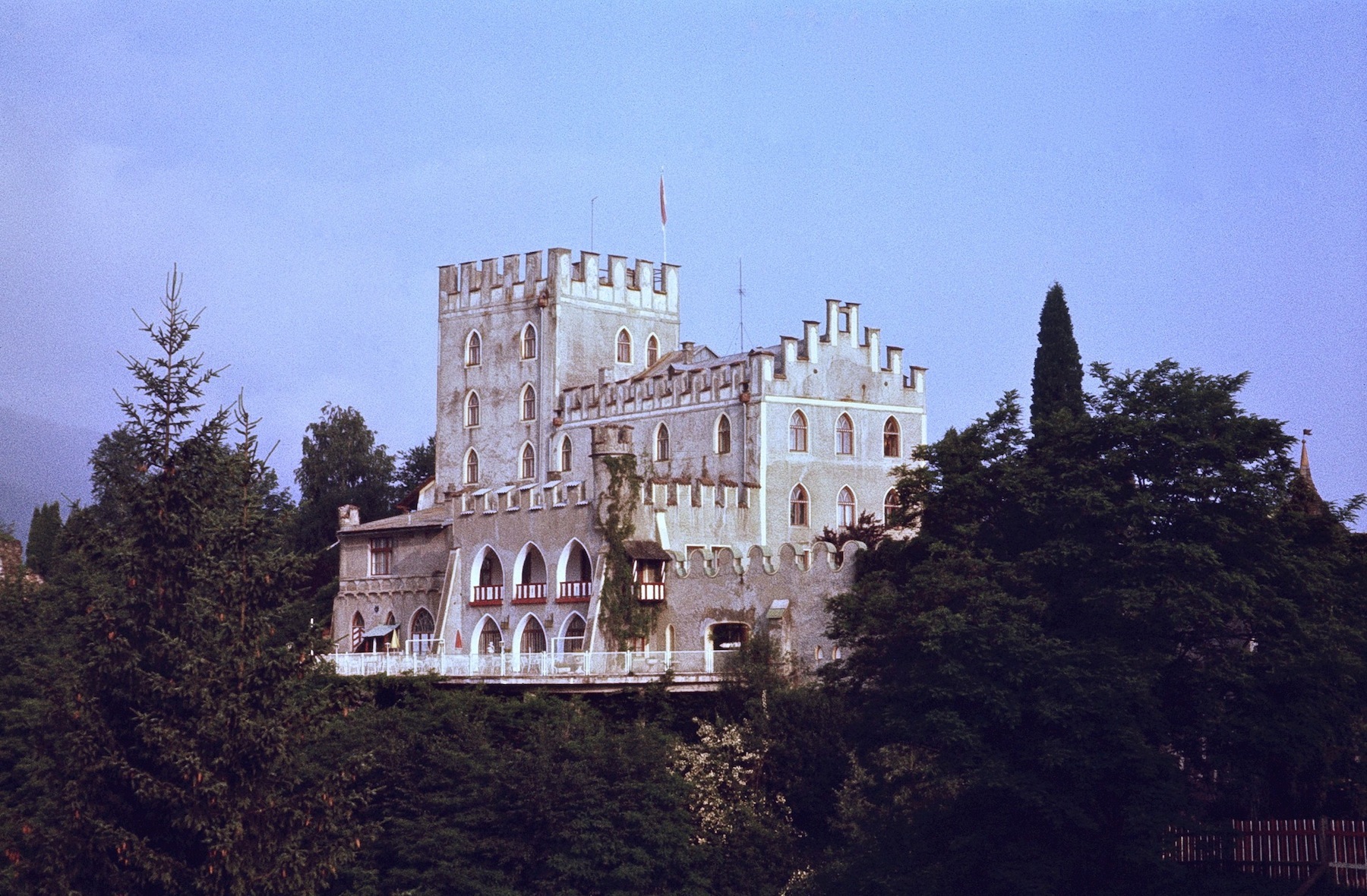
Castle Itter in the 1970s
On the 5th of May 1945, five days after the suicide of Adolf Hitler, the usually serene Castle Itter in the Austrian countryside was the site of what may possibly be the strangest battle of the Second World War. Soldiers of the United States, anti-Nazi German soldiers, Austrian resistance and an eyebrow-raising collection of French VIPs (including several former prime ministers and a tennis star) fought off invading loyal remnants of the 17th Waffen-SS Panzer division. This is thought to be the only ever time in the war where Germans and Americans fought on the same side. But how exactly did this scenario arise? And why isn't this an adapted Hollywood movie starring Brad Pitt?

The Castle And Its Prisoners:

The castle was located in western Austria in the quiet village of Itter. It was privately owned but was seized by the German Army (Wehrmacht) in 1943 for use as a prison camp under administration of the infamous Dachau Concentration Camp.

Its prisoners were rather famous VIPs who included tennis star Jean Borotra (later General Commissioner of Sports in the Vichy regime, former prime minister Édouard Daladier, Charles de Gaulle's elder sister Marie-Agnès Cailliau, former commander-in-chief Maxime Weygand, former prime minister Paul Reynaud, former commander-in-chief Maurice Gamelin (instrumental in the Phony War), right-wing leader François de La Rocque (the leader of the right-wing Croix de Feu movement), and trade union leader Léon Jouhaux.

The Battle:

On 4 May, the garrison of the castle abandoned the castle, having realised that German surrender was imminent. The French prisoners took control of the castle and armed themselves with whatever weaponry remained. A Yugoslavian prisoner, Zvonimir Čučković, was sent to find help. Zvonimir encountered elements of the American 103rd Infantry Division near the city of Innsbruck who agreed to rescue the prisoners. A defected German unit under the command of Major Josef Gangl which collaborated with the Austrian resistance and later surrendered to the Americans, agreed to accompany the rescue.

The rescue force consisted of 14 American soldiers, 10 defected German soldiers and a Sherman tank. Upon reaching the castle, the French prisoners were dismayed at the small size of the rescue but however had elected to focused on fortifying the castle in anticipation of a Waffen-SS assault on the castle. The Sherman tank was placed towards the entrance whilst positions were taken on the towers. The Allies were joined by a defected Waffen-SS officer who was recovering in the nearby village.

On the morning of the 5th, the castle came under attack from 100-150 soldiers of the 17th Waffen-SS Panzergrenadier division. Major Gangl telephoned in Austrian resistance members in the vicinity for reinforcements, 3 Austrian resistance members arrived soon after. Despite being ordered to take refuge inside the castle, French prisoners joined the battle alongside the Americans and Germans. The battle raged on for six hours, resulting in the destruction of the Sherman tank and the death of Major Gangl, before the SS were defeated by a relief force from the American 142nd Infantry Regiment.

Further reading:
US news report during the war:

Saturday, 3 January 2015

The 1848 Revolutions and Why They Failed

Often neglected, mocked gently and greeted with excessive sarcasm by historians, the 1848 revolutions of Europe were the largest revolutionary wave to strike the continent. They were a series of political upheavals and revolts in Europe that affected over 50 countries (with practically no coordination), toppling monarchies and reaching from Paris to Prague. Led by the united middle (particularly the bourgeoisie) and working classes in response to rampant absolutism by the ruling upper class and the feudal-serfdom systems, the revolutions faltered soon after due to inevitable differences between the classes.

You'd be forgiven if you haven't heard of any of these events before. By the end of 1848, all these uprisings had failed, resulting in the deaths of tens of thousands and exile of thousands more. The only real lasting reforms being the abolition of the serfdom in Austro-Hungary, the end of the Capetian monarchy in France and the end of absolute rule in Denmark.

Painting of Battle at Soufflot barricades at Rue Soufflot Street on 24 June 1848. Horace Vernet

But what caused all this?

Historians (surprisingly) have managed to agree that the revolutions were a result of six factors:
  • widespread dissatisfaction with political leadership; 
  • demands for more participation in government and democracy;
  • demands for freedom of press; 
  • the general demands of the working classes; 
  • the upsurge of nationalism; 
  • the regrouping of the reactionary forces based on the royalty, the aristocracy, the army, and the peasants
It should also be considerated that Europe was plagued with a severe famine in 1846 which drove up the prices of crops such as grain, whilst wages remained largely stagnant. Profits plummeted and tens of thousands of workers were laid off. With this high unemployment and high prices, the scene was set for a liberal revolt.

Fair enough. What really happened though?

A map of Europe, showing the major events of 1848 and 1849.
Good question. Though the earliest revolt in the year was the Sicilian revolution in January 1848, things started rolling when the middle and working class French of Paris openly revolted against oppression (see Campagne des banquets) on 22 February and managed to topple the monarchy by 24 February, thus proclaiming the second French Republic.In December, Louis Napoleon, nephew of the former emperor, was voted into office as president.

A revolutionary wave was sparked. In March, protests in the German states and Prussia resulted in reform and the establishment of a Prussian assembly respectively. With the autocracy in chaos, the liberals of the German states (civil servants, lawyers and intellectuals) met in Frankfurt in May to discuss plans to form a united, liberal Germany with the Kaisar of Prussia at the helm. The Kaisar refused, dooming such hopes.

In Austria, students, workers, and middle class liberals revolted in Vienna, setting up a constituent assembly. In Budapest, the Magyars led a movement of national autonomy in March. Similarly, in Prague, the Czechs revolted in the name of self-government. In August 1848, the Austrian army soundly defeated every revolt in its empire. In Vienna, in Budapest, in Prague, the Austrians legions crushed the liberal and democratic movements, returning the empire to the conservative establishment that ruled at the beginning of 1848.

The Danish peasantry and liberals marched upon Copenhagen, demanding the end of absolute rule by the Danish monarchy while still calling for a centralised state. The Danish King accepted a new constitution, establishing a parliament of the people.

Other revolts that took place include the Famine Revolt in Ireland, the Wallachian revolution in present-day Romania, the Greater Poland rebellion amongst others.

Sounds awesome! How did they fail?

Endless pragmatism. But really, the classes were united in their discontent towards the ruling upper class. Once they were overthrown, it was a matter of time before the unlikely alliance between the bourgeoisie and the workers crumbled down.

The revolutions probably failed due to lack of organization. In Austria, for example, the revolts in Prague, Vienna, and Budapest maintained no communication among them, allowing the Austrian army to attend to each in isolation, without a united front. Finally, the return of conservative and reactionary forces was probably due to the middle class. Another reason why the revolutions failed was because moderate liberals of the middle class feared the radicalism of the workers, preventing any type of lasting alliance. Therefore, when radicals took control of the revolutions in Paris and in eastern Europe, the middle class liberals turned their backs, preferring absolute rule and law and order, to the uncertainty of radical revolution.

And the concessions? In Prussia, the promised assembly had little power and was constituted by the aristocratic elite. In Austria, a new emperor, Franz Josef I, continued Austrian dominance over all the minorities of eastern Europe. To summarise, nothing had come of the revolutions of 1848.

A caricature by Ferdinand Schröder on the defeat of the revolutions of 1848/49 in Europe
Further reading:

Saturday, 14 June 2014

Feature Documentary: The Death of Yugoslavia

The Yugoslav wars of the 1990s were a chaotic era in Balkan history that saw some of the worst massacres on the European continent since the Second World War. Tackling such an issue as a documentary was more than challenging and yet, the BBC have managed to compile a compelling, insightful and, at times, surreal experience of a documentary. Released in 1995, The Death of Yugoslavia covers the breakup of the Yugoslavian Republic and the subsequent wars of independence.

The use of rare footage and actual interviews with the main players of the wars, particularly Serbian president Slobodan Milošević and the controversial president of Republika Srpska Radovan Karadžić. Due to the extensive interviews with such crucial players of the conflict, this documentary was used as evidence by the International Criminal Tribunal for the former Yugoslavia during the prosecution of parties guilty of war crimes. The documentary won a BAFTA in 1996 for Best Factual Accuracy

To people wishing to gain an insight into the Yugoslav wars, this documentary (though not perfect) is perhaps the best introduction, covering events up to 1995.

The full documentary is on YouTube but it is preferable to watch it in six parts. 

Part 1 - Enter Nationalism


 Part 2 - The Road To War


Part 3 - The Wars of Independence


Part 4 - The Gates of Hell


 Part 5 - A Safe Area


Part 6 - Pax Americana


Tuesday, 3 June 2014

A Prelude to the French Occupation of Tunisia

Tunisia entered the 19th century under the reign of Hammouda ibn Ali, the Bey of Tunis, as a minor Mediterranean power thanks to trade and extortion of European states through piracy (see the Barbary States), enjoying its quasi-independent autonomy from the Ottoman Porte in Constantinople. By the end of the 19th century, Tunisia fell in debt, the French achieved total economic control, the Bey signed a treaty with the French, stripping its sovereignty and placing the country under French protection whilst installing an appointed Resident-General from Paris to "advise" the Bey ( effectively a nominal ruler) and to oversee the country.

In this article, we shall delve into the details and events leading up to (and not after) the Treaty of Bardo, which solidified French control over the country.
The Treaty of Bardo

The French Maghreb:

Historically, Tunisia had ancient links with the European mainland. After all, the extinct Carthaginian civilisation originated here and along with it the Punic Wars with Rome. Just as those wars of ages past were about control over the Mediterranean, the story with Tunisia is remarkably familiar.

The French merchants of Marseille regularly traded goods to and from Tunisia, and it is no surprise the French made their first permanent presence in Tunis by establishing a consulate in 1577. During the height of the Age of Imperialism in the 18th century, the traditional influence of the French in Tunis was contested by the English, the Ottomans and the Italians. The French sought to assert their control through a series of concessional treaties, the most notable of which was signed in 1802 where the Bey formally acknowledged (to Napoleon) France's privileged position.

As France's economic power began to grew, the Bey's powers began to wane. His Turkish army corps had rebelled twice in 1811 and 1816, his naval forces suffered disastrously in 1827 after participating in the Battle of Navarino alongside the Ottomans (which he was obliged to do) during the Greek War of Independence. Outbreaks of plague in 1825 further weakened the Bey's economic capabilities. Weakened, the Bey had to sign a capitulation treaty in 1829 that allowed French citizens to only be tried by the French consul in Tunis.
Tunisia (dark blue) with the rest of French Africa (light blue)

French influence and power in the region grew greater after the 1830 invasion of Algeria. The French had numerous reasons to invade this autonomous province of the Ottoman Empire; raw materials, trading, establishment of settler colonies (but this is a topic for a different article). It is worth noting that the colonial policy to Algeria was greatly different than that of Tunisia. While Tunisia was to be a protectorate, Algeria was not to be a simple colony. It was a settler colony that officially became a part of France in 1848, where Republican workers and the unemployed from France would be shipped across the sea to their new homes, most of which were lands deprived from native Algerians.

The political fallout from the invasion of Algeria reached every capital throughout Europe. In Constantinople, the loss of Algiers was a blow to the already-declining Ottoman Empire. To the Germans, British and Italians, the French presence in Algeria presented a threat to their own imperial ambitions in the African continent and the Mediterranean and immediately began to seek ways to compensate (my previous post dealt with what the Italians did).

Within a month of the invasion, the Tunisians signed yet another treaty with the French, which opened the Tunisian market to French-manufactured goods, which undermined the country's traditional artisans and raised prices of local goods. The treaty also allowed European consuls to judge cases involving European citizens. As a result, European consuls were able to interfere in Tunisian domestic affairs.

Beys, Debts And A Constitution:

Ahmed Bey ruled Tunisia from 1837 to 1855 and it was under his rule that the beginning of the end had begun. When the benevolent Bey came to power, Tunisia's sovereignty was not only the target of French ambitions but of a newly-reinvigorated Ottoman Empire, eager to spread the Tanzimat (administrative restructuring and reform) that would strengthen the Sultan's control in the face of growing European powers. However, these reforms directly threatened the Bey's independence. The French, seeking to take advantage of the situation, offered to protect Tunisia from Ottoman and other European encroachment. Ahmed Bey declined, knowing what France's true intentions are.
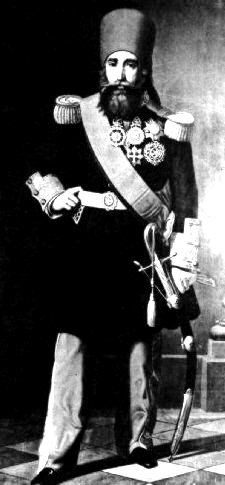
Ahmed Bey
Ahmed Bey began a reform program of his own, which sought to expand and modernise the Tunisian professional army. By 1847, Ahmed Bey's army boasted 26,000 men. Under Ahmed Bey (and pressure from the British consulate), slavery was abolished and tax farms were created in the countryside to provide revenue for the state. While this new army was loyal to Tunis and not Constantinople, it did little to prevent the country's decline. Encouraged by a corrupt Mustafa Khaznader (Ahmed Bey's finance minister), Ahmed Bey embarked on a costly administrative and building program that plunged the country into debt. As a result of corrupt tax collectors, drought, cholera and plague outbreaks, agricultural and tax revenues declined heavily. Ahmed Bey had to personally finance the equipment and transport of 4000 soldiers to serve in the Crimean War for the Ottomans.

Mohammed Bey, Ahmed's successor, was more terrible. He overturned the abolition of slavery and administered his own arbitrary system of justice that was unfavourable to non-Tunisians, to the anger and frustration of European consuls. Concerned about the security and investment of their citizens, the British and French consuls pressured Mohammed Bey to accept reforms that provided greater security for foreigners. Adopted in September 1857, the Security Pact established legal equality between Tunisians and non-Tunisians, and gave Europeans the right to acquire property. These new freedoms, especially the new right to acquire property, made it easier for European interests to acquire a greater hold of the Tunisian economy.

This sparked calls by Tunisian intellectuals for the establishment of 'dustur' (دستور) or constitution which sought to create an institutionalised check on the Bey's power. Written in 1860, this was the Arab World's first constitution. In it, it confirmed the Bey as the hereditary head of state, it called for the establishment of a 60-member Supreme Council with substantial power that controls taxation and expenditure, whilst also having the ability to dismiss ministers.

The constitution only lasted for 4 years. The French and other European consuls did not like how it complicated their relationships with the Bey nor were they fond of the idea that their nationals would be subject to Tunisian law, which they argued violated previous treaties signed in the past. A flaw with the Supreme Council was that its members were directly appointed by the Bey himself. As a result, it did not live up to the expectations of Tunisian intellectuals. In 1864, the constitution was suspended and poll taxes were doubled to help pay the country's mounting debt. In response, Berber tribes and towns in the country's interior revolted. In 1866, the Tunisian government appealed to the Rothschild Banking House for 115 million francs to pay off the country's foreign debt. They refused.

Debts! Damn Debts And Conspiracies:
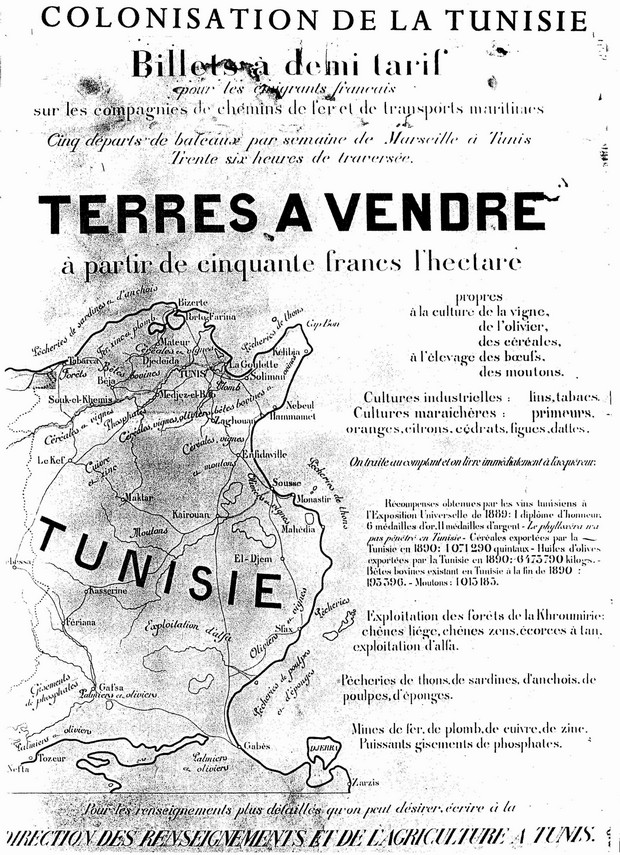
Poster inviting French people to immigrate to Tunisia (1890)

Tunisia's economic woes posed a conundrum to the European powers. On the one hand, France, Italy and Britain shared a common concern for their investments in the country (France particularly heavily invested in railroads, ports, mines and agriculture). Collapse of the Tunisian government and civil unrest was in none of their interests.

To avert the crisis, the International Financial Commission was established in 1869 to oversee Tunisia's budget. The Commission effectively controlled all state expenditure and organised the repayment of debts. On the other hand, the European powers distrusted each other; though France had the most economic presence in Tunisia, the Italians had the largest population residing there. The British primarily focused their attention on Egypt. Tunisia was seen by Paris as an important buffer between the East and Algeria, and its status needed to be determined decisively.

At the Congress of Berlin in 1878, Britain, France and Germany tried to reach an agreement. The German representative, the influential Otto von Bismarck suggested that France's interest in Tunisia should be recognised by both Germany and Britain. They pledged not to intervene in the event of a French claim or occupation of Tunisia. In return, Britain expected that the French would recognise Cyprus as British territory in the Eastern Mediterranean. Bismarck anticipated French resources and attention to be diverted to Africa, away from Europe. Once all this was agreed, they followed common diplomatic protocol and kept it a secret from the Ottomans, because this was basically the equivalent of carving up their empire.

Congress of Berlin, 1878
The French were wary of intervening in another North African state. The previous invasion of Algeria in 1830 resulted in successive rebellions that took four decades to quell, the last of which occurred seven years before the Congress of Berlin in 1878. The French primarily wanted Tunisia to serve as a buffer between French Algeria and Italian Cyrenaica (Libya). So as long as no trouble was caused in Algeria from Tunisia, Paris did not want to risk another costly military campaign and occupation.

By 1880, France controlled the railway and telegraph lines of Tunisia, established a low-interest bank to aid and encourage the growth of French agriculture and industry, invested in a new port in Tunis and in several mines in the countryside. With such heavy investments, it became impossible for the French not to be involved in domestic Tunisian economic and political issues. In the meantime, smuggling and drought made the International Financial Commission's job of paying government bonds harder. The French began to realise that protecting French investments would require more direct involvement.

In 1880, the French consul in Tunis, Adolphe-Francois de Botmilau commented:
"A last attempt is made in this moment to save this country by the financial commission. If it fails, we would have to be forcibly called upon to occupy Tunisia and this will be a troublesome extremity for us"
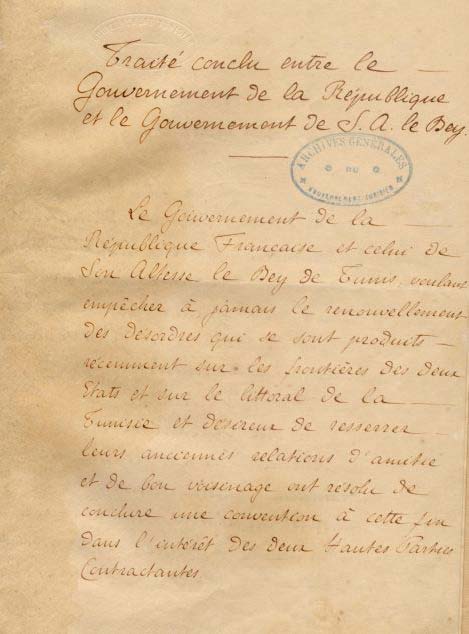
Page 1 of the Treaty of Bardo
Ignoring the economic aspect, the Italians were another problem. Despite the large Italian population in Tunisia and their contribution to the country, Italy was excluded from the Congress of Berlin. Italian attempts at obtaining land, such as the purchase of railway lines, caused out-roar amongst French colonialists.

But it was neither colonial nor economic hardship that eventually provoked a French occupation of Tunisia. According to the official narration, Khroumour tribesmen from Tunisia engaged in cross-border raids into French Algeria in March 1881. They were repelled by a joint Algerian-French force and felt that they had to cross into Tunisia.

Using this as an excuse, the French army of 36,000-strong occupied Bizerte, and soon turned south towards Tunis. Britain and Germany stood-by, as previously agreed in Berlin.. On 12 May 1881, the Bey signed the Treaty of Bardo, which gave France substantial control over Tunisia and placing the country under French protection where it remained until it achieved independence in 1956..

References:
  • Christopher Alexander (2010). Tunisia: Stability and Reform in the Modern Maghreb. London: Routledge . p13-21.
  • Assa Okoth (2006). A History of Africa: African societies and the establishment of colonial rule, 1800-1915. East African Publishers. p297-302
  • Roslind Varghese Brown, Michael Spilling (2008). Tunisia. Marshall Cavendish. p21-36
Thursday, 8 August 2013

Una Fatalia Storica - The Italian invasion of Libya


The Derna, a cargo ship, departed from Turkey in September 1911. Its cargo hold was filled with 20,000 rifles, 2 million rounds of ammunition and machineguns, destined to the Ottoman-Libyan port of Tripoli and to be distributed amongst loyal Libyan tribesmen. On 24 September, Italy caught wind of the ship’s journey and issued a warning to the Ottomans that “sending war materials to Tripoli was an obvious threat to the status quo” and endangered the Italian community in Libya. The ship started unloading its cargo at Tripoli harbor on the 26th of September. Infuriated, the Italian government issued a 24-hour ultimatum to the Ottoman empire on the 28th: the regions of Tripolitania and Cyrenaica are to fall under Italian jurisdiction and military occupation or else war would be declared. 

The Ottomans gave a reasonable and conciliatory reply but Italy would have none of it. On the 29th of September, Italy declared war on Ottoman Libya, a decision described by the Italian prime minister Giovanni Giolitti as fulfilling una fatalia storica – a history destiny.

The Ottoman-Italian war (photo from Commons)

Prelude
 
But why Libya? At the time, Libya (formally called the vilayat of Tripolitania) was a neglected region in the Ottoman empire. It had neither roads nor railways, and produced (in the terms of a contemporary European writer) “products of primitive husbandry” such as livestock and dates. The farming industry barely managed to produce food to feed the whole population. What reasons did the Italians have to be in Libya?

To answer this question, we must go back to the time when Italy was born without Rome nor Venice, in August 1863. The Opinione paper of Turin had warned that 
If Egypt and with it the Suez Canal falls to the British, and if Tunis falls to the French and if Austria expands into Albania, we will soon find ourselves without breathing space in the dead centre of the Mediterranean. “
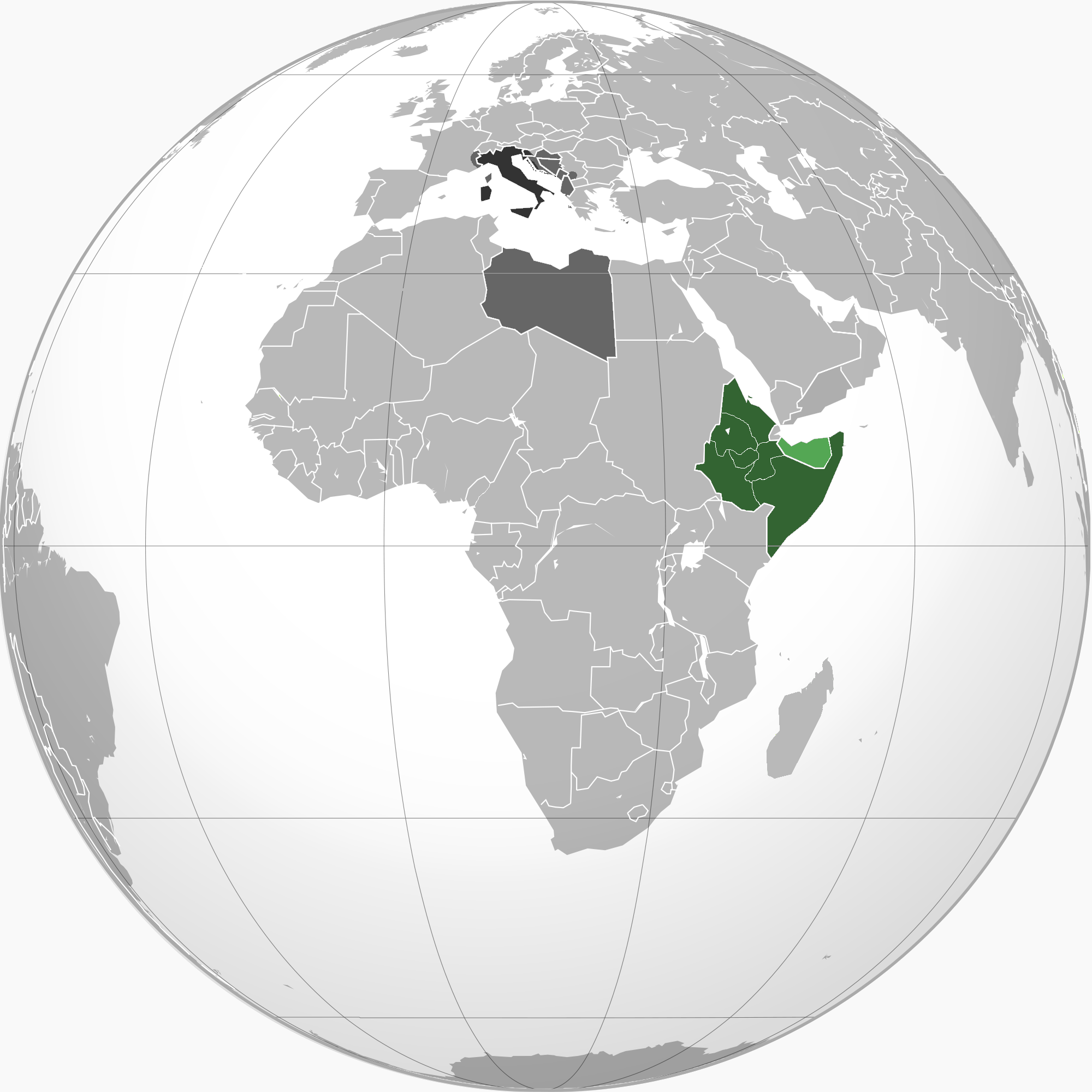
The Italian colonial empire, by 1940.
Even earlier, in 1838, Giuseppe Mazzini, who helped unify Italy, declared that North Africa belongs to Italy. In the 19th century, Italy was a relatively new & poor country that was seemingly surrounded by Great Powers on all three sides; the French, the Austrian Empire, the Ottomans and the British. Determined to become a Great Power in her own right, in the 1860s and 1870s, Italy began to court Tunisia, Rome’s first African colony and then still an Ottoman province. With a large Italian population of 25,000 by 1881, it seemed that Tunisia would be easy-picking for Italy. Unfortunately, the Bey (governor) of Tunisia accepted French rule in May 1881, dealing a blow to Italian pride and sending the country’s politicians panicking. 

France’s interference in Tunisia inadvertedly lead to Italy entering the Scramble For Africa, acquiring the unpromising but strategic regions of Somalia and Eritrea in 1889. Italy soon set its eyes on Ottoman Libya, compensation in their view for Tunisia. Control of Libya provided strategic access over the central Mediterranean, and territory close to the lucrative Suez Canal trade. In Italy’s view, they had to claim Libya to counter French (or others) influence in the Mediterranean. Mussolini later commented,
“For others, the Mediterranean is just a route. For us, it is life itself.”
From the 1880s until 1911, Italy pursued a vague policy of “peaceful penetration”; establishing Italian schools, encouraging the migration of Italian farmers in Cyrenaica (eastern Libya), setting up of Italian banks and funding mineral prospecting expeditions. The Italian public was largely supportive of the movement; as far back as 1889, Italian nationalists, industrialists and the Catholic Church had called for the colonial expansion, arguing that it would combat Italy’s alleged overpopulation and mass emigration to the United States. 
To emigrate is servile,' Italians were told, 'but to conquer colonies is a worthy task for a free and noble people”
Nationalist newspapers depicted Libya as a good source of grains and olives as well as possessing lucrative trade routes.  Italian explorers ventured to Libya, calling it Italy’s Fourth Shore, and described the potential wealth of the unexploited countryside and the seemingly endless green fields of Cyrenaica (in 1911, a writer went as far as to say that 1/4th of the country could be cultivated using irrigation).

But why not simply invade? Why go through this decades-long process? The reason was that the Italians feared an invasion of Ottoman Libya would result in a greater European war, with perhaps the Austrians making unacceptable gains in the Balkans, and potential backlash with France or other European powers. As a result, the Italian diplomatic goal was to secure assurances and guarantees from Europe’s powers. In the 1900s, Italy acquired assurances from Britain, Austria & Germany (both being Allies), Russia and the United States. Year after year, the Italians waited for their opportunity to strike. In 1911, in the aftermath of the Agadiz crisis that saw France gain even more territory in North Africa, Italy decided to act, scheduling an invasion in the autumn, when the sea was calmest. 

Italy needed a casus belli and it found one. In 1908, two Italians (one of them a priest) were murdered in Tripoli, and the Ottoman investigation proved inconclusive. The Italian media hunched onto the story, claiming that Italian lives and property were in danger in Libya and campaigned furiously for an occupation. With the backing of the majority of the public (minus the Socialists, who rioted against the idea of an “imperialist invasion”, interestingly enough Mussolini was amongst the rioters and was jailed for his criticism of the invasion) and the Catholic Church (who praised the “crusading spirits” of the masses) , the invasion seemed in place. 

War & Peace:

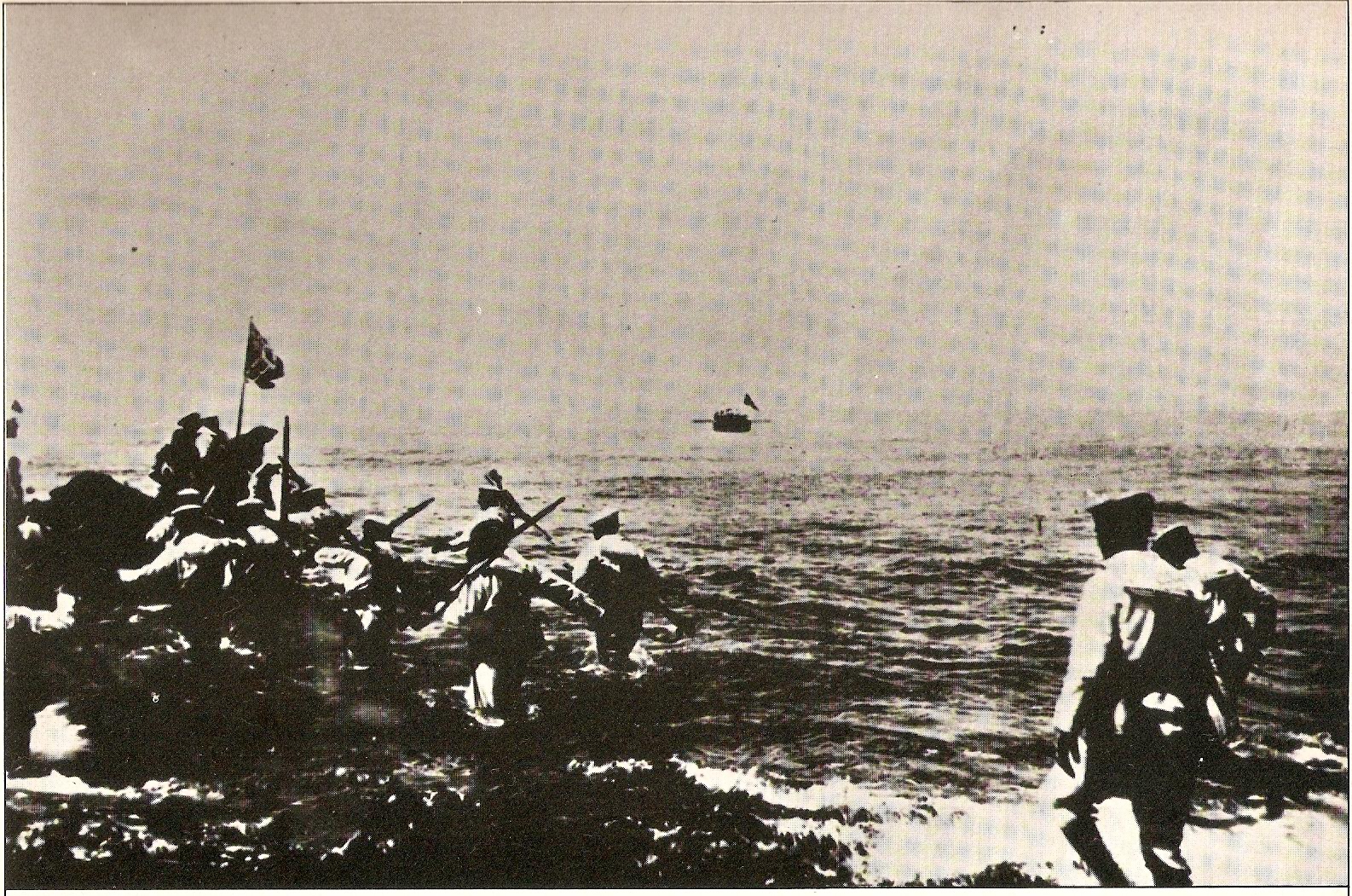
Italian landing at Tripoli, October 1911
After the Derna incident, four Italian battleships disembarked from Italy on the 1st of October and anchored the next day outside of Tripoli. It was only at 3:15pm on the 3rd of October that the ships began bombarding the three Ottoman forts of Tripoli. On the 5th , 900 marines landed and captured the badly-damaged forts. The Turkish commander and his depleted garrison, seeking to spare the city from bombardment, withdrew from the city. By nightfall, around 1,700 more marines occupied the town of Tripoli. The Ottoman garrison, numbering less than 5,000, regrouped with Libyan tribesmen inland whilst the Italian vanguard awaited the arrival of the main expeditionary force, which arrived a week later.  
 
The Italian fleet, off the coast of Tobruk, in October 1911
Italy had hoped the Turks would seek negotiations after the capture of Tripoli but they had no intention to. The Italians were surprised to face stiff resistance from the native Libyans whom they thought would welcome them as liberators. East of Tripoli, the Italians were almost overwhelmed by a combined Libyan-Turkish assault at Henni on the 23rd of October. Meanwhile in Cyrenaica, Italian amphibious landings and shelling resulted in the capture of Tobruk, Derna and Homs on the 4th, 18th and 21st of October.

 On 18 October, another Italian battle fleet (consisting of 7 battle cruisers and 20 transport ships) anchored outside Benghazi and issued a 24-hour ultimatum, demanding the town’s surrender. The 280-man garrison defended the town against hopeless odds. After the ultimatum expired, the fleet shelled the city to the ground, destroying the city’s Grand Mosque and damaging the Franciscan mission as well as the British and Italian consulates, all of which were packed with refugees. Later that day, the Turkish garrison surrendered, but the Italian occupiers faced unexpected resistance from the inhabitants of the suburbs. The Turko-Libyan forces withdrew from the town in the next few days.
Italian battery bombardment of Benghazi

By the end of October 1911, Italy controlled five beachheads on the Libyan coast and had deployed 34,000 men, 6,300 horses,  1,050 wagons, 145 warships amongst others. The war was the first to see the deployment of new technologies such as machineguns, radio-telegraph and motor-transport as well as aeroplanes in battle. 

The town of Tripoli rioted against the Italians at the end of October but was brutally suppressed. On 5 November 1911, the Italian King Victor Emmanuel issued a royal decree, bringing Tripolitania and Cyrenaica under the Italian Crown. In what is comparable to George Bush’s premature “Mission Accomplished” declaration in 2003, so too was King Victor’s. It would take twenty years before Libyan resistance was effectively subdued. 

The invasion was a disaster primarily because it failed to account for the actions of the native Libyan population. The Italians had hoped the Libyans would welcome them as saviours from the corrupt Turks or at the very least to stay neutral in the war. However, the Italians failed to recognize that the Libyans and the Ottomans were bound in religion. Both people were Muslim and to the Libyans, they were fighting against an invading Christian army akin to the Crusaders. This blunder lead to the war being dragged out for a year, much to the relief of the Turks who were also surprised by the support they were given.

 Due to Italian naval supremacy and Britain’s reluctance to allow Ottoman troops to march through Egypt, reinforcements could not be directly sent. However, colonels and generals (such as a young Mustafa Kemal) smuggled their way through Egypt into Libya. Arms were smuggled from Greece and French Tunisia also.  The influential Sanussi tribesmen of Cyrenaica’s desert rallied armies in support of the Ottomans, though with poorly armed weaponry. 

A young Mustafa Kamel, in Derna (1912)
In 1912, a stalemate was reached. The Italians in Tripoli had managed to extend their radius of control by a few miles, the port of Misrata was captured in February. Italian troops were deployed to the Tunisian frontier to cease the arms smuggling. After 11 months, none of the five beach-heads had linked up. The Italian army dugged in in Derna were besieged by a 10,000-man irregular army.  
 
The signing of the treaty of Lausanne
The war was demoralizing for Italy (who expected it to be a walk-in-the-park) but worse for the Turks, who faced unrest in the Balkans and other regions.

 In July 1912, the Turks and Italians quietly met in Lausanne on the shores of Lake Geneva. It was only on 17 October 1912 that both parties declared peace, much to the surprise of Libyans who felt betrayed.  The treaty they signed was vague; the Ottoman Sultan was to declare Tripolitania and Cyrenaica as independent and that Libyans were now Italian subjects. In return, the Italians withdrew from the Dodecanese islands in the Aegean Sea. The Sultan also retained the power to appoint the grand religious cleric of Tripoli, allowing the Ottomans to retain religious control over the region. 

For the Italians, it was a cheap and fairly easy victory. The Ottomans could not afford to continue the war. However, Libyan irregulars continued to fight on. With the Italians only in control of the coastal settlements, Libya’s interior remained hostile tribal territory. To the Ottomans, their fight ended. To the Libyans, their fight has just begun.

References:
Writer's note: This post was originally written for itshistorypodcasts.com and published on 6 August 2013 (viewable here).

Why More Maps Should Be Upside Down

If you've utilised a map at any point in your life, whether it's Google Maps to find out which right turn you just missed on the hig...